Welcome to Tangshan Moneide Trading Co., Ltd.






Recommend Products

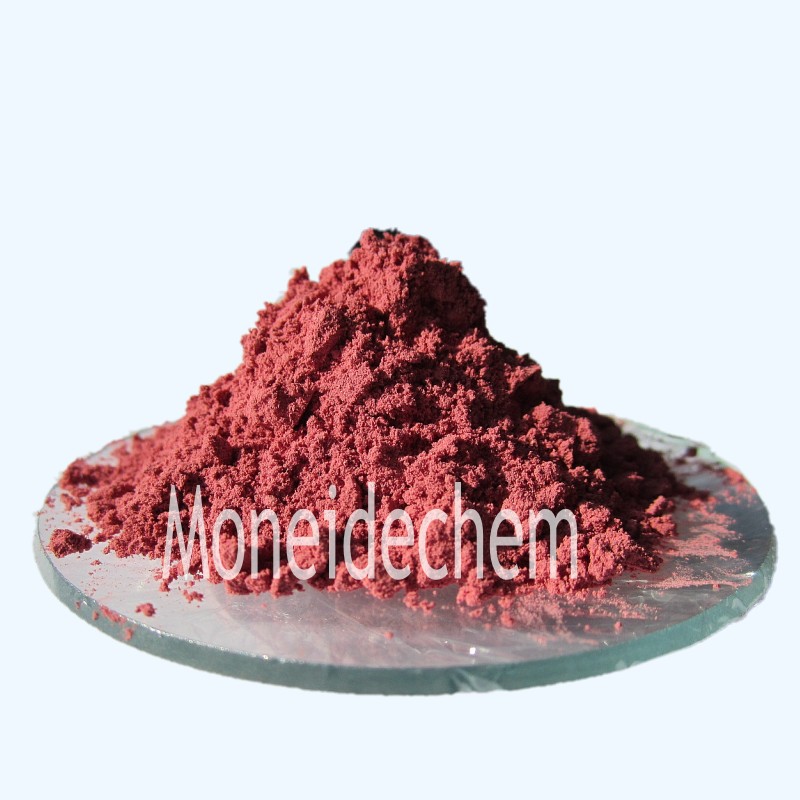

1562-00-1
Hypophosphorous Acid (CAS No. 6303-21-5 ) is a critical chemical compound with widespread industrial applications. This article provides an in-depth analysis of its technical specifications, key features, and real-world usage, supported by authoritative references from the National Institute of Standards and Technology (NIST) . Product Overview Hypophosphorous Acid, also known as Hypophosphoric Acid , is a colorless, transparent liquid with the molecular formula H₃PO₂ . It has a molecular weight of 63.980501 and is renowned for its potent reducing properties. This compound serves as a vital intermediate in chemical synthesis and is widely utilized in electroplating, polymerization, and water treatment processes. Technical Specifications The following table summarizes the key technical parameters of Hypophosphorous Acid: Parameter Specification Chemical Name Hypophosphorous Acid Another Name Hypophosphoric Acid CAS No. 6303-21-5 Molecular Formula H₃PO₂ Molecular Weight 63.980501 Appearance Colorless transparent liquid Hypophosphorous Acid Content 50.0% min. Phosphorous Acid 0.5% max. Sodium (Na) 0.5% max. Iron (Fe) 10 ppm max. Chloride (Cl) 150 ppm max. Sulfate 100 ppm max. Key Features and Benefits Potent Reducing Agent: Hypophosphorous Acid is highly effective in chemical reactions requiring controlled reduction, making it indispensable in industrial processes ( NIST ). Electroplating Applications: It enhances the adhesion, smoothness, and thickness of metal coatings, particularly in nickel electroplating ( NIST ). Chemical Synthesis: Acts as an intermediate in producing phosphine and phosphorus derivatives used in pharmaceuticals and agriculture. Non-Toxic Properties: Compared to other reducing agents, Hypophosphorous Acid is considered safer for industrial use ( NIST ). Applications Electroplating: Enhances the quality of nickel plating by ensuring uniform, durable coatings ( NIST ). Chemical Manufacturing: Used as a reducing agent in the production of phosphorus compounds, including phosphine ( NIST ). Polymerization: Serves as an initiator in resin and plastic production ( NIST ). Water Treatment: Applied to control and reduce undesirable substances in water systems ( NIST ). Company Background: Tangshan Moneide Trading Co., Ltd. Tangshan Moneide Trading Co., Ltd. is a leading supplier of chemical products, including Hypophosphorous Acid. With a focus on quality and innovation, the company provides specialized solutions for industries such as electroplating, pharmaceuticals, and chemical manufacturing. Their commitment to technical excellence and customer satisfaction has established them as a trusted partner in the global chemical supply chain. Storage and Packaging Hypophosphorous Acid is typically packaged in drums or bulk container111s. For optimal stability, it should be stored in a cool, dry place away from heat and direct sunlight. Proper storage ensures the preservation of its chemical properties and effectiveness in industrial applications ( NIST ). Industry Relevance and NIST Standards The National Institute of Standards and Technology (NIST) plays a critical role in establishing measurement standards for chemical compounds like Hypophosphorous Acid. By providing precise analytical methods and reference materials, NIST ensures the reliability and consistency of chemical products across industries. For instance, NIST's work in chemical thermodynamics and properties directly supports the accurate characterization of substances such as Hypophosphorous Acid ( NIST ). Conclusion Hypophosphorous Acid is a versatile and essential chemical with applications spanning multiple industries. Its unique properties, combined with the expertise of companies like Tangshan Moneide Trading Co., Ltd. , make it a cornerstone of modern chemical manufacturing. As research and development continue to advance, the role of Hypophosphorous Acid in driving innovation remains pivotal. References National Institute of Standards and Technology (NIST) . (n.d.). Chemistry Division . Retrieved from https://www.nist.gov/chemistry


look at newproducts


